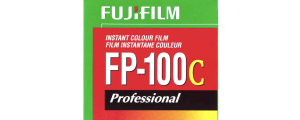
FP-100C is a well-loved and discontinued (as of 2016) film stock, so the only places to buy it in 2026 are from other consumers who are selling it or stores who get larger stocks from collectors. Prices vary as stock is bought up and used, and average around $100-300 per pack.
Today, eBay is one of the most reliable places to find it. You do need to be careful when buying on eBay. Make sure to always read thoroughly and only buy when the seller is clear on storage, condition, and expiration. If you ignore these, you might get burned.
Before you give up entirely on the chore of shopping on your own, have a look at this list of Fuji FP-100C peel apart film I would trust from eBay.
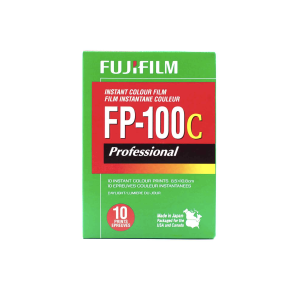
Where to Buy Fuji FP-100C Right Now
I spend a fair amount of time on eBay. Since I’m already shopping, I compiled a page of FP-100C Film from listings or sellers I would trust.
You can see the live listings of FP-100C Here.
If you purchase through a link on this page, I may get a percentage of the sale with no additional cost to you. You get trustworthy sellers of the film for no effort and no extra money out of your wallet. Always make sure to read the listings for yourself and know what you’re getting. Any expired film or old camera is a risk.
What is Fuji FP-100C?
The Film Stock Fuji FP100-C is Fujifilm’s ISO 100 Color film. They also made a couple variations of color and some black and white, but more on that later.
Peel apart film, or pack film, was given its name as polaroid film evolved from roll film to packs of film that no longer required you to pull out to a certain length then cut or tear the film.
If you ask me, peel apart film is some of the most magical film out there, right next to tintypes.

The reason many people continue to seek out this film even though all of it is expired is because of how incredible it looks, how large the images are, and how quickly it develops. All of this is among many other charming traits of pack film.
It is undeniable that this film just looks better than Instax or Polaroid film today. Most of the cameras equipped to use pack film had incredible lenses. Even the average lenses at the time were far superior to the lenses of today’s Polaroid cameras, or even of the Polaroid cameras in the generations to follow.
Now Fujifilm made FP-100C, FP-3000B, and a few of the others are unique in that they were made more recently than any Polaroid brand film, even though packfilm is a Polaroid invention.
Current Prices
Since the Stock is discontinued and there is an unknown amount of film remaining, whenever a stockpile with a reliable source comes to the surface, the price is usually steep.
The more time passes, the fluctuating price is starting to feel like the stock market. Prices are going up quickly all based on consumers responding to the fleeting amount of film left.
If you are looking for “reasonable” prices, aim for about $100-200 per pack. It’s painful to spend that much on an instant film, but those who know, know.
It’s not uncommon to see $200-300 as the average price, and some stores like Brooklyn Film Camera have the following to be able to charge insane prices like $500 for the most recently made batch (which was 2016 and still expired in 2018).
If you are looking for a little bit lower price, here are some things to look at:
- Expiration
- Storage
- Condition
Expiration
The older the film, usually, the cheaper it will be. Age also adds to the unpredictability of this film, so be wary of anything too old.
I like to follow a soft 20 year rule.
If a pack of peel apart film is more than 20 years old, I do not buy it unless it is an incredible deal and it checks the other boxes as well.
Storage
Film that has storage noted is more trustworthy. Cold stored but never frozen film is the best option since it has the greatest chance of looking at functioning like normal.
If the film has been freezer stored, that is an easy skip, since the chemical pod will have dried out.
Condition
Any additional information you can get from the seller is a big bonus.
If they don’t advertise any more information, just look at the box. Is it bent? Has it been crushed? Does it look like it got wet at any point?
These all are signs that it might not be properly stored, and it might be worth passing up, unless you feel like gambling.
Where to Buy FP-100C
There are no official sellers of the film anymore, but there are some online markets that will come across it from time to time.
Buying on eBay
The most abundant source is always eBay. Sellers all over the world will list it here. The standard rules apply when shopping from an individual rather than a business, especially with something this precious.
Since I loved the film while I was able to get it, I usually keep an eye on eBay lots. I keep an active list of FP-100C I would trust from eBay sellers that you can check out. As always, read the listings and only buy what you are comfortable using. In the world of expired film, nothing is guaranteed.
Specialty Camera Stores
Some other places will occasionally get it in stock, like Brooklyn Film Camera, mentioned briefly. I’ve also had luck with stores like the Rolleiflex US Distributor, but it is not common to see it pop up here.
Buying from Film Labs
The next best place to watch will be your local film lab. If they sell film and cameras, there is a chance they might come across some FP-100C.
If you’re able to look at it in person and handle the film, that is the best chance to see if the film is potentially functional. I like to give the box a shake test. If you hear anything that sounds like sand moving around, that means the chemical pod is all dried up. Easy pass.
Local Marketplaces
If you live in a reasonably sized city, you might get lucky with local marketplaces (FB, OfferUp, Craigslist, etc.) Again, it is nice to shop for packfilm in person because you can see and handle the film. Though, the chances of it popping up are decreasing every day.
In summary, eBay has the most available, the most often. Brooklyn Film Camera is keeping more in stock because of their ridiculously high prices. Facebook marketplace, and other local marketplaces can occasionally pop up with some good options, but it’s getting rare.
How to Avoid Bad Batches of Peel Apart Film
The best peel apart film is the film that has been stored properly. The more information you have before buying the film, the better.
If they say it has been cold stored, this is good.
If they say it has been freezer stored, this is bad. Skip this film.
If it was in a closet or basement, not bad, but not ideal.
If they found it in an attic, you can gamble, but heat damage to film is very real and very sad to see.
Like I mentioned before, you can give the film a shake test to hear if anything is moving inside. If it sounds like sand, that is bad. The chemical pod inside can dry up or burst and that leaves you with useless film.
Also mentioned before is the condition of the box. This isn’t always a guarantee that it is bad film, but you can gamble as much as you’d like.
I always check to see if there is water damage to the box. This isn’t the end of the world, but it usually is an indication of how it was stored. Same thing for creases on the box. If it gets pinched too hard or crushed, it can cause the chemical pods to burst. If that happens then the film won’t develop properly, or at all, if you put it in your camera and give it a go.
Even if the box is open, the film comes in a foil package. I only buy pack film that is still sealed in this foil package. If the foil has been torn, there is no way of telling how long it has been exposed.
The foil can keep the film from drying out. If you haven’t guessed by now, that is the biggest enemy when it comes to expired pack film from any brand.
If you watch for these and skip the really bad ones, you can save yourself a lot of money and heartache from bad, dried up film. Nothing ruins the magic like wasted money and a dead pack of peel apart film.
Does Expired Peel Apart Film Still Work?
Expired FP-100C works the best out of all the Peel Apart Film options on the second hand market. The colors are true and vibrant, the image is clear, and there is often no color shifting at all.
This is the biggest reason why the price is going up consistently. It just looks so good.
Especially compared to many of the Polaroid brand options on the used or New Old Stock (NOS) market, Fuji color film just looks better.
In order to see the vibrant and desirable outcomes everyone is hoping for when grabbing a box of Fujifilm, you do need to make sure it is properly stored and has been for the majority of its life.
If not properly stored, you can end up with a series of different issues, defects, or straight up dud film.
If it freezes at any point in its life, the chemical pod will crystalize and not defrost properly. It dries out and that makes dead film. No chemicals, no spread, no picture. (The only exception is deep freeze storage only used by professionals who have handled it before, but I wouldn’t trust it either.)
If it is stored in an attic and it didn’t dry out (unlikely), then you might get color shifting or a kind of haze on your image. Heat is the enemy of film of any kind, but especially Polaroid film and peel apart films are sensitive to heat in much more detrimental ways.
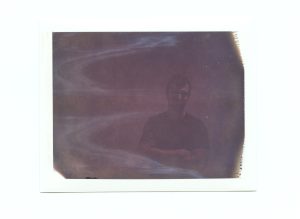
Even if it is properly stored, as it ages it can leave little “W” shaped developer artifacts on the image. I call them whisps. While they don’t ruin the image, they certainly show its age.
Anyone who is lucky enough to get a pack that expired in 2014-2018 will see just how good the best peel apart film can get. When the image is clear and the colors are right, it makes the high dollar price worth it.
Cheaper Pack Film Alternatives to Fuji FP-100C
When the price tag is a bit too high, it’s easy to look for alternatives. FP-3000B and FP-100B are two of the black and white alternatives, and they are just as nice. Since they aren’t in color, the price hasn’t caught up with the skyrocketing prices of FP-100C.
I love peel apart film so much that I keep an eye on the live eBay listings. You never know when a good deal is going to pop up.
Even those prices can feel like a lot to spend in one go. If you really want to shave off some numbers of the price, Polaroid brand peel apart film is the way to go. The unfortunate part of this decision is the increasingly limited options as time goes on.
My personal favorite is Polaroid type 669 color film, but there are just tons of options from Polaroid in both color and black and white.
The downside is the expiration. Most of these films are getting close to the point of being 20+ years expired. This means it is a lot more common for them to not be usable. Even if they are, the color film has major color shifting since the dye layers can break down and the chemistry in the pods doesn’t hold up that many years after production.
Surprisingly, the color red has always shown up well on any expired packfilm I’ve used, especially Polaroid pack film.
If expired film is not your cup of tea, One Instant is still making film. It’s handmade with care and precision, but the process is slow and labor intensive. This means the cost is high. Compared to Fuji FP-100C it isn’t so bad. And it is technically fresh film, not expired. For a company keeping peel apart film alive, they’re doing a great job.
There are reasons why some people choose to spend the extra money, but it absolutely makes sense if the price is just too high.
Cameras That Use Pack Film
The wild part about pack film in its prime is how it was used. Photographers would set their cameras, take a photo on the pack film, peel it to check that the exposure was correct, then throw away the photo.
It was just a cheap way to check the image before committing to roll film or sheet film.
What is really cool about this is how many cameras have packfilm attachments. Cameras brands like Hasselblad, Mamiya , Zenza Bronica, Graflex, and others all had backs that would work with several camera models for studio and field work.
Cameras like the Mamiya Press series cameras are ideal because they utilize the full packfilm print, where a pack film back for the Hasselblad 500cm would only cover 6x6cm and leave the rest black.
The Mamiya Press cameras also have 6×7 and 6×9 120/220 film back options, which means they can be used for their full peel apart film potential and they can still be used with normal medium format film.
A very similar camera model is the Polaroid 600SE (Polaroid GOOSE), which is a Polaroid branded Mamiya Press camera, still outfitted with a Mamiya lens, but it is only compatible with the Polaroid Pack Film Back, not the additional 120 roll film backs.
While these are the most approachable options since they are affordable and still functional without obsolete batteries or conversions, they are large cameras, and some people really do prefer to have a smaller image if it means they can use their Mamiya RB67.
Of course, the classic Pack Film Cameras are the folding Polaroid land cameras with the bellows and the built in case. Many people have seen them, and many are cheap. The biggest issue tends to be an obsolete battery that takes some light engineering to rewire for another battery type.
FAQ
The film is really wonderful to use when it works properly. The rising price is a testament to that.
Is FP-100C discontinued?
Yes, FP-100C has been discontinued and no longer in production. Fujifilm discontinued FP-100C in 2016, making it the last mass-produced peel-apart pack film.
Can you still buy it?
Yes you can still buy the film, but not from official distributors partnering with Fujifilm. Sellers now are either film labs with stock they came across or big lots they purchase, test, and sell for a huge markup, or individuals on digital marketplaces like Facebook, Craigslist, and eBay
Is it worth buying?
Yes! If you are willing to spend the money, it is worth the results. Nothing on the market comes close to those results.
If you are unsure about the high price per pack, it might be more worthwhile to find a cheaper alternative.
The price tag is high for a reason, but some people think it might be getting out of hand.
What is the difference between FP-100C and FP-3000B?
The differences between FP-100C and FP-3000B are color vs back and white, and the speed of the films.
FP100C is an ISO 100 Color film, which is good for daytime use for true to color images.
FP-3000B is an ISO 3000 speed black and white film, which is very fast and can be used handheld in low light. There are a lot of great advantages to the high speed, which is why it has maintained its popularity. If you like black and white film, it could be a good and cheaper alternative.
How Long Will FP-100C Last?
The known stock is growing thin, and collectors and active users are getting their hands on it as quickly as they can. At some point, the price will be too high, and sellers will be unwilling to lower because someone will purchase it eventually.
Even older stocks that expired in 2010 look really good. If properly handled and stored, the film should last long enough to those who are keen on keeping it for a special occasion.
Some stocks from Polaroid that have held on (by some miracle) still produce images even when they expired in the 1980s. This is not the norm, and most Polaroid Brand Peel Apart Film that expired before 2000 or so is just dead. But there is some that holds on, so Fujifilm might be okay for another decade or two, if handled with extreme consideration.

 Can You Find A Cheap Canon AE-1 in 2026?
Leave a Reply